Quick takeaways
- A great D2C website in 2026 is judged by how easily it helps customers decide, not how good it looks.
- Clear positioning within the first few seconds prevents hesitation and drop-off.
- Content on the page should answer customer doubts before they go searching elsewhere.
- Speed and trust signals work together — small delays or inconsistencies cost conversions.
The First Few Seconds
Not long ago, having a visually appealing website with a functional shopping cart was enough to compete online. Today, that's simply the starting point. Customers are more informed, less patient and overwhelmingly mobile-first. They discover brands through Instagram Reels, YouTube Shorts, Google searches and influencer recommendations, expecting an experience that's as seamless as the platforms they came from.Imagine someone discovering a skincare brand through a Reel at 11 PM. They tap the link from their phone, ready to explore. If the website takes four seconds to load, they leave before seeing a single product. If the homepage feels cluttered, product information is difficult to find or checkout requires multiple unnecessary steps, the opportunity disappears within seconds.On the other hand, a high-performing D2C website immediately reassures the visitor.
It loads instantly, communicates the product's biggest benefit, displays pricing clearly, showcases genuine reviews and offers a frictionless checkout using familiar payment methods. Every interaction reduces effort instead of creating it. In 2026, successful D2C websites aren't judged by how impressive they look—they're judged by how effectively they help customers make confident buying decisions.
A visitor decides whether to stay or leave within seconds — speed and clarity matter more than visual polish.
Raising the Bar
The expectations of online shoppers have evolved dramatically. Customers no longer compare your website only against your competitors—they compare it against the best digital experiences they've ever had. Platforms like Amazon, Apple, Nike and Shopify-powered brands have raised the standard for speed, usability and convenience.Today's D2C websites must be mobile-first, lightning-fast and intentionally designed around user behaviour. Navigation should feel intuitive, pages should load almost instantly and important information should always be within easy reach.
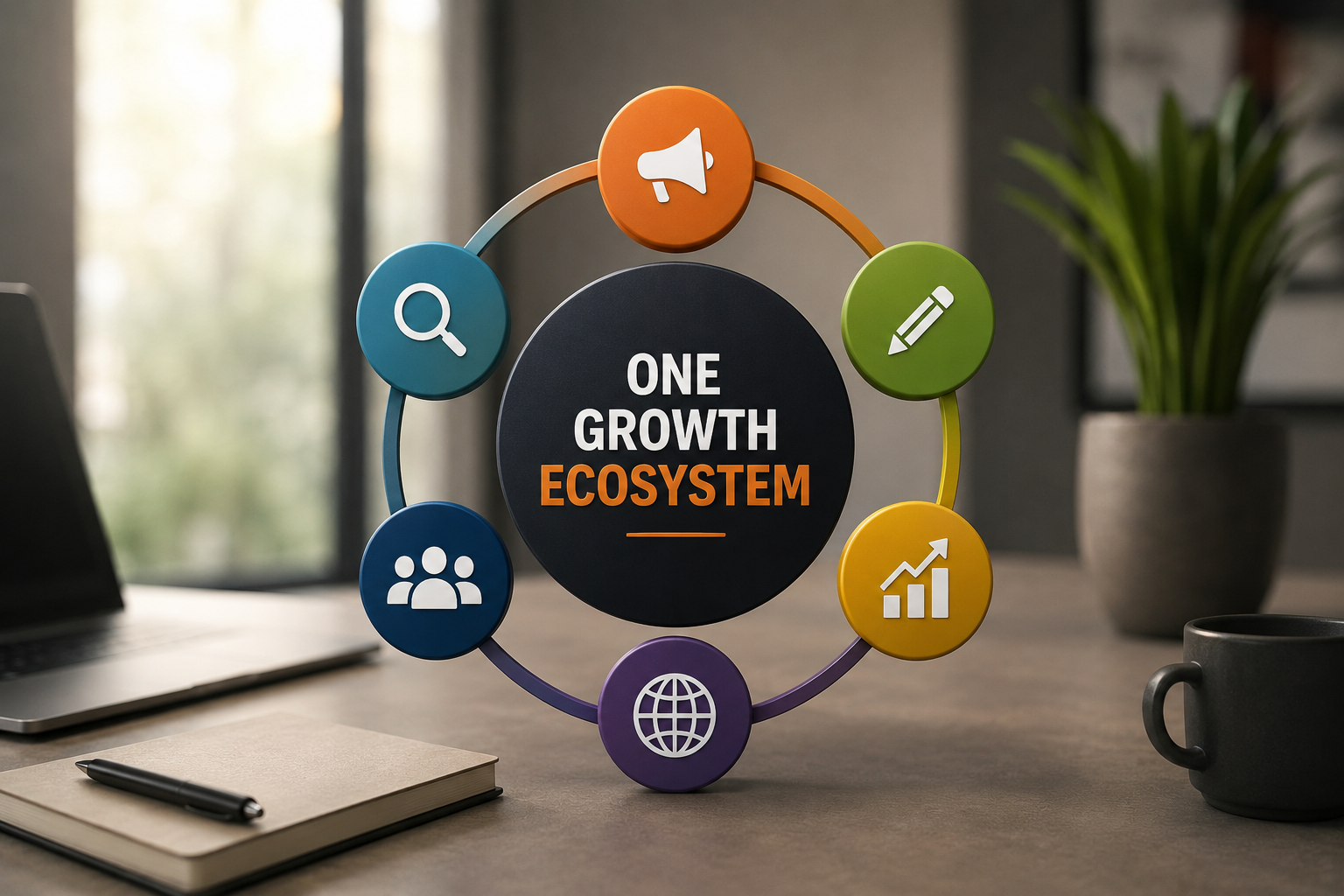
Visitors shouldn't have to search for pricing, delivery timelines or return policies because those answers should appear naturally throughout the buying journey.The best-performing D2C brands also understand that websites are no longer isolated assets. They're connected to social media campaigns, email marketing, paid advertisements, influencer collaborations and customer support. Every channel should lead customers into one seamless experience that feels consistent from beginning to end.The new standard isn't about adding more features. It's about removing unnecessary friction and making every interaction easier, faster and more trustworthy.
Communicating Value Fast
A great website tells visitors exactly what the brand offers within the first few seconds. Customers shouldn't have to scroll endlessly or decode clever headlines to understand the product's value. Clear messaging immediately communicates what the business sells, who it's for and why it deserves attention.Strong positioning extends beyond headlines. Product categories, imagery, colours, typography and calls-to-action should all reinforce the same identity. Whether a brand positions itself as premium, sustainable, affordable or innovative, every page should communicate that consistently.Confusing messaging creates hesitation. If visitors can't immediately understand the value proposition, they often leave without exploring further. Great D2C websites remove this uncertainty by leading with benefits rather than generic marketing language.Clear positioning doesn't just improve customer experience—it improves conversions by helping visitors quickly determine whether the product is right for them.
Designing for Decisions
The highest-converting websites are designed around customer decisions rather than company preferences. Every page anticipates the next question a visitor is likely to ask and answers it before doubt has a chance to grow.A product page should guide customers naturally through the buying process. It begins with a compelling headline, highlights the primary benefit, provides authentic product images, showcases customer reviews, answers common questions and presents a clear call-to-action. Every section should reduce uncertainty instead of adding complexity.Checkout deserves equal attention. Long forms, mandatory account creation and complicated payment flows increase abandonment rates. Modern D2C websites minimise these obstacles by offering guest checkout, multiple payment options, autofill support and transparent shipping costs from the beginning.Rather than treating conversion optimisation as a final step, successful brands build every page around helping customers confidently say "yes" with as little effort as possible.
High-converting pages are built around anticipated customer questions, not company preferences — every section removes a doubt before it forms.
Answering Before They Ask
Customers don't buy products simply because they're available online. They buy when they believe the product will solve their problem. Content plays a vital role in creating that confidence.Every product page should answer the questions customers naturally ask. Will this work for me? What makes it different? How quickly will it arrive? What's the return policy? Has anyone else had a good experience? By addressing these concerns directly on the page, businesses reduce the need for customers to search elsewhere.Detailed product descriptions, FAQs, customer reviews, demonstration videos, comparison charts and user-generated content all contribute to stronger buying confidence. Instead of overwhelming visitors with technical specifications, successful brands focus on explaining outcomes and real-world benefits.In 2026, content isn't just a marketing asset—it's an essential part of the sales process. The better a website answers questions, the more likely customers are to complete their purchase.
Earning Confidence Online
Website speed is no longer a technical advantage—it's a business necessity. Even small delays can significantly reduce engagement and conversion rates. Mobile users, especially, expect websites to respond instantly, and many abandon slow-loading pages before the content even appears.Trust signals are equally important. Authentic customer reviews, secure payment badges, transparent pricing, delivery timelines, return policies and responsive customer support reassure visitors that they're purchasing from a reliable business. High-quality product photography and consistent branding further strengthen credibility.Trust also comes from consistency. If an advertisement promises a specific offer, the landing page should immediately reinforce that message. Pricing, product availability and promotional offers should remain accurate across every channel.Every second saved and every doubt removed increases the likelihood of conversion. Great D2C websites understand that trust is earned through dozens of small details working together.
The Website as Salesperson
A website is no longer a digital brochure that simply showcases products. In 2026, it's the most valuable salesperson a business has—working around the clock, welcoming every visitor and influencing every purchase decision.The best D2C websites combine speed, clarity, trust and conversion-focused design into one seamless experience. They anticipate customer questions, remove unnecessary friction and make purchasing feel effortless. Rather than impressing visitors with complexity, they succeed by making every interaction simple and intuitive.As customer expectations continue to evolve, businesses that treat their website as a strategic growth engine rather than just an online catalogue will consistently outperform competitors. Great design may attract attention, but great user experience is what turns attention into revenue.
FAQs
What makes a D2C website successful in 2026?
A successful D2C website combines fast loading speeds, mobile-first design, clear messaging, trust signals and a frictionless checkout experience to maximise conversions.
Why is mobile-first design important for D2C brands?
Most customers discover and shop through smartphones. A website optimised for mobile improves usability, engagement and overall conversion rates.
What are the most important trust signals on a website?
Customer reviews, secure payment options, transparent pricing, delivery information, return policies, authentic product images and consistent branding all help build customer confidence.
How can a website improve conversion rates?
By reducing unnecessary steps, answering customer questions upfront, simplifying checkout, improving page speed and presenting clear calls-to-action throughout the buying journey.
Why should businesses view their website as a salesperson?
Unlike a brochure, a modern website actively guides visitors towards making informed purchasing decisions. It educates, builds trust, handles objections and converts customers at any time of the day without human intervention.