Quick takeaways
- Marketing builds the reason people choose you; performance marketing turns that choice into a measurable sale.
- Clear positioning makes performance campaigns convert faster and cost less.
- Content is what carries a visitor from curiosity to confidence to purchase.
- Sustainable growth comes from brand and performance working together, not from picking one.
Two Sides of Growth
Marketing and performance marketing are often spoken about as if they're the same thing. In reality, they solve two very different business challenges. Marketing creates awareness, shapes perception and gives people a reason to remember your brand. Performance marketing focuses on driving measurable actions—clicks, leads, purchases and revenue. One builds long-term brand value, while the other delivers measurable short-term outcomes.Consider a new coffee brand entering the market. Its logo, packaging, café aesthetics, Instagram feed and founder's story about ethically sourcing beans all contribute to its marketing. These elements help customers think, "This feels like a brand I want to try." Performance marketing begins when the same brand launches a Meta campaign promoting "Buy 2, Get 1 Free" for ten days and tracks every impression, click, purchase and cost per acquisition.Businesses often make the mistake of choosing one over the other. They either invest heavily in branding without understanding its business impact or focus only on paid campaigns that stop delivering the moment the advertising budget ends. Sustainable growth comes from combining both into one connected strategy.
The Modern Customer Journey
Modern consumers don't simply purchase products because they see an advertisement. They discover brands across multiple channels, compare alternatives, read reviews, watch creator content, visit websites and often return several times before making a decision. This means businesses must build both recognition and performance simultaneously.Today's fastest-growing D2C brands don't separate brand marketing from performance marketing. Their campaigns are designed so every advertisement reinforces the same identity customers already recognise through content, packaging, website experience and community engagement.For example, when a customer sees an Instagram Reel, clicks a Meta advertisement and lands on the website, every touchpoint should communicate the same promise. Familiarity reduces hesitation, while consistency increases trust. That's why successful brands invest in both building awareness and converting demand rather than relying on either approach independently.
Defining Your Identity
Performance marketing can generate traffic, but it cannot fix unclear positioning. If customers don't understand what makes your business different, even the most optimised advertising campaigns struggle to convert consistently.Marketing defines your brand's identity—your voice, values, visual language, customer promise and market positioning. It answers questions like: Who are we? Why should customers choose us? What problem do we solve better than competitors? These answers influence every campaign that follows.When positioning is clear, performance campaigns become significantly more effective because people already understand the value behind the advertisement. Instead of convincing customers from scratch every time, paid campaigns simply remind them why your brand deserves their attention.Businesses with strong positioning don't need to shout louder. Their message remains consistent across websites, advertisements, content, packaging and customer communication, making every marketing investment work harder.
Performance marketing amplifies what already exists — it can't manufacture positioning that isn't there.
Guiding the Purchase Path
The purpose of performance marketing isn't just generating clicks—it's guiding people towards meaningful business outcomes. Every advertisement should lead customers through a carefully planned journey that removes friction and encourages action.A successful conversion journey begins long before someone clicks an advertisement. Customers may first discover the brand through organic content, influencer recommendations or search results. When they finally see a paid campaign, they're already familiar with the business, making them more likely to engage.Once they click, the experience should remain consistent. Landing pages should match the advertisement, product information should answer key questions and checkout should feel effortless. Every stage builds confidence until the customer completes a purchase.This is where marketing and performance marketing intersect. Marketing creates demand, while performance marketing captures it through optimised customer journeys designed to maximise conversions and return on investment.
Building Buyer Confidence
Great advertisements attract attention, but content builds confidence. Customers rarely purchase after seeing a single campaign. They explore websites, browse social media, compare products and search for reassurance before making a final decision.Content bridges the gap between curiosity and conversion. Educational blogs, FAQs, product videos, customer testimonials, comparison guides, case studies and behind-the-scenes stories help answer the questions customers naturally have before buying.Imagine someone discovering a speciality coffee brand through a paid advertisement. Before purchasing, they may want to know where the beans are sourced, how the coffee tastes, whether subscriptions are available or how other customers rate the product. Helpful content addresses these concerns before they become reasons to leave the website.Marketing provides the story. Performance marketing brings visitors. Content ensures they feel confident enough to complete the purchase. Together, these three elements create a buying experience built on trust rather than pressure.
Ads bring people to the door; content is what convinces them to walk in.
The Experience Factor
Even the best-performing advertisements cannot overcome a poor customer experience. Today's buyers expect fast-loading websites, professional branding, secure payment options, authentic reviews and consistent messaging across every digital platform.Imagine clicking an advertisement that promotes premium coffee only to arrive on a slow website with outdated visuals and missing product information. Confidence disappears almost instantly. The advertisement may have done its job, but the overall experience fails to support the customer's decision.Trust is built through consistency. Pricing should remain accurate, offers should match across advertisements and landing pages, customer reviews should be easy to find and every interaction should reinforce the same brand identity. When marketing and performance teams collaborate closely, these trust signals become part of every campaign rather than an afterthought.The result is not only higher conversion rates but also stronger customer loyalty and improved lifetime value.
A Connected Growth System
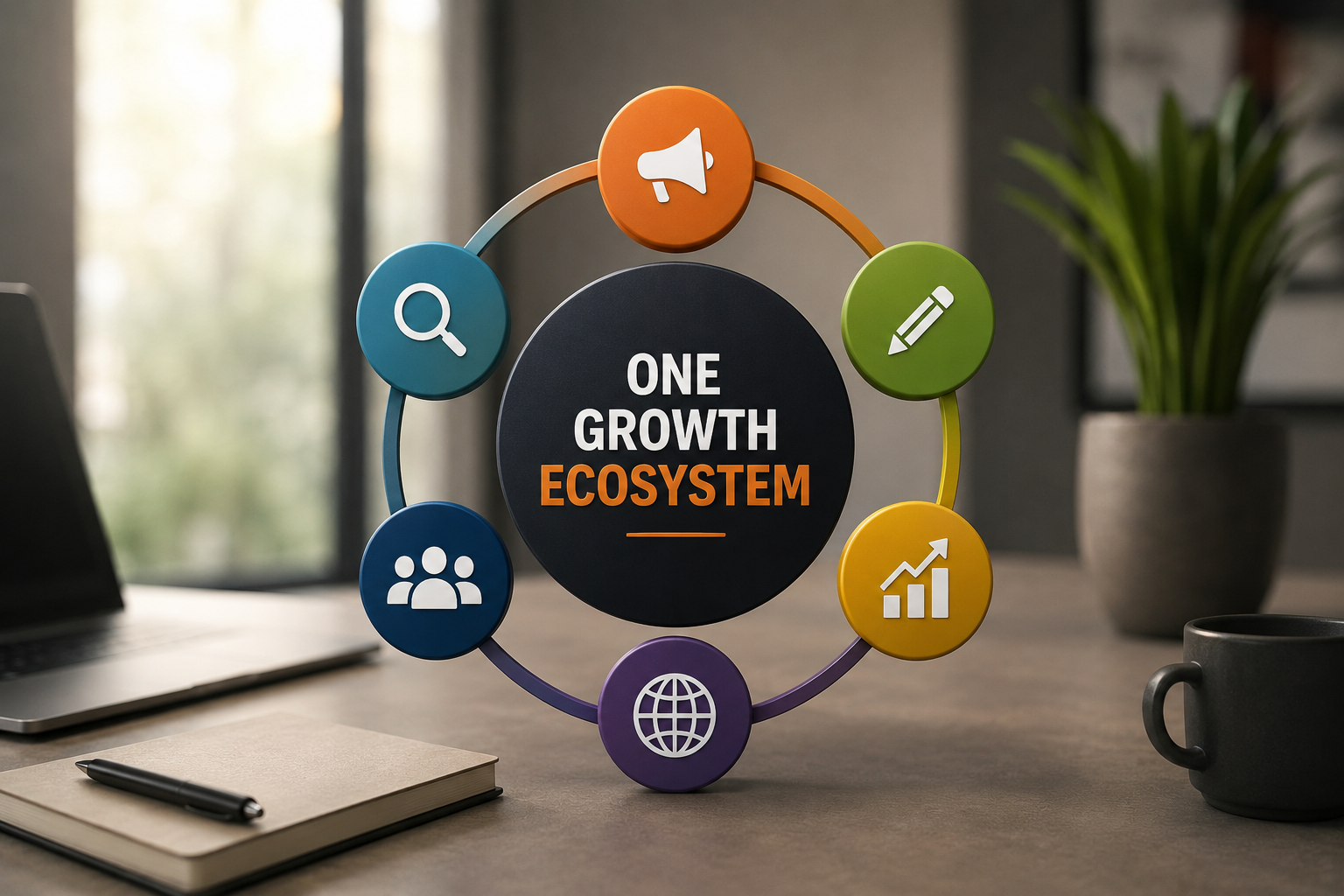
Marketing and performance marketing are not competing strategies—they are complementary parts of the same growth system. Marketing builds awareness, credibility and emotional connection, while performance marketing transforms that attention into measurable business results.Businesses that invest only in branding may build recognition without understanding its commercial impact. Businesses that rely only on paid advertising often experience temporary spikes in sales that disappear when campaigns end. Sustainable growth happens when both work together.Strong marketing lowers advertising costs because customers already recognise and trust the brand. Strong performance marketing provides valuable data that helps refine future messaging, campaigns and customer experiences. Together, they create a cycle where every marketing effort strengthens the next.Visibility may be easy to buy, but lasting business impact comes from building a brand people remember and making it effortless for them to take action when the time is right.
FAQs
Can a business rely only on performance marketing?
It can generate short-term results, but without strong brand marketing, demand often disappears once advertising budgets are reduced because customers lack long-term brand recognition and loyalty.
What is the difference between marketing and performance marketing?
Marketing focuses on building long-term brand awareness, trust and positioning, while performance marketing is designed to generate measurable actions such as leads, sales and conversions.
Why is brand marketing important for performance campaigns?
A recognised and trusted brand generally achieves higher click-through rates, better conversion rates and lower advertising costs because customers are already familiar with the business.
Which metrics measure performance marketing success?
Common metrics include Return on Ad Spend (ROAS), Cost Per Acquisition (CPA), Cost Per Click (CPC), Click-Through Rate (CTR), Conversion Rate and Customer Lifetime Value (CLV).
Should startups invest in both marketing and performance marketing?
Yes. Even with limited budgets, balancing brand-building efforts with measurable performance campaigns creates stronger long-term growth than focusing exclusively on one approach.